Open-plan kitchen layouts have become a popular choice in modern home design, a seamless blend of cooking, dining and living spaces. By removing walls this layout creates a more connected and open environment to suit modern life.
But while there are many advantages to an open-plan kitchen there are also some downsides to consider before you make the switch. In this blog, Whittlesey Bathrooms & Kitchens will look at the pros and cons of open-plan kitchens to help you decide if this layout is right for your home.
Pros of Open Plan Kitchen Layouts
Feels Spacious and Airy
One of the biggest benefits of an open-plan kitchen is the sense of space it creates. By removing walls and barriers natural light flows more freely, and the whole area feels brighter and more inviting.
This design can make even the smallest of homes feel larger and more open, a more enjoyable and welcoming space.
Encourages Socialising
An open-plan kitchen allows for seamless communication between the kitchen and the rest of the home, so you can entertain guests while you cook.
Whether it’s a dinner party or just chatting with family members this layout fosters a more inclusive and interactive environment, the kitchen is at the heart of the home.
More Functional and Layout
With fewer barriers an open-plan kitchen provides better flow between areas, making it easier to move around and do daily tasks. It allows for more flexible use of space so the kitchen can be a dining area, workspace or even a social hub.
This is particularly useful in modern homes where multi-functional spaces are essential.
Adds Value
Many potential buyers love open-plan living spaces, so this layout is a selling point. A well-designed open-plan kitchen adds value to your home, gives it a contemporary feel and increases its appeal on the market.
It’s often seen as a desirable feature that sets your home apart from others.
Better Supervision for Families
For families with young children, an open-plan kitchen means better visibility and supervision. You can cook or clean while keeping an eye on the kids playing in the living area, a safer and more connected family environment.
This layout also makes it easier to supervise homework, interact with the kids and spend more quality time together.
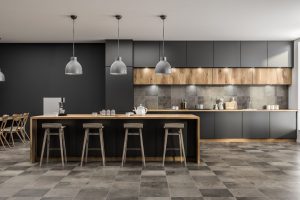
Cons of Open Plan Kitchen Layouts
Less Privacy and Noise Control
One of the biggest drawbacks of an open-plan kitchen is the lack of separation between areas of the home. Cooking noise, conversations and background TV sounds all merge into one space, making it harder to find a quiet corner to relax or work.
This can be particularly problematic in busy homes or when entertaining guests.
Smells and Mess Are More Visible
Without walls to contain them cooking smells travel easily throughout the home, which can be unpleasant especially when strong odours linger.
And with an open design the mess and clutter in the kitchen is always on show so you have to work harder to keep the space tidy and presentable all the time.
Heating and Cooling Issues
A larger open space is more difficult and expensive to heat in winter or cool in summer. Without walls to retain heat heating can be less efficient and therefore more expensive.
In warmer months the air con or ventilation system will have to work harder to keep the whole space cool.
Less Storage Space
Fewer walls mean fewer opportunities for storage as there are fewer areas to put in cabinets and shelving. This can be a problem for those who need a lot of storage for kitchen essentials leaving countertops cluttered and the need for creative storage solutions.
You’ll need to plan carefully to ensure an open-plan kitchen remains functional and organised.
Can Be Expensive to Implement
Converting a traditional kitchen to an open-plan layout often requires structural changes, removing load-bearing walls and reinforcing other areas of the home. This can be costly and time-consuming especially if plumbing, electrics and ventilation need to be adjusted.
Homeowners need to weigh up the financial and practical implications before committing to a major renovation.
Conclusion
An open-plan kitchen layout has many benefits from creating a spacious and social space to adding value to your home. But it also has its drawbacks, noise, heating inefficiencies and the need for constant tidiness.
Ultimately it’s down to your lifestyle, preferences and household needs. If you like to entertain, socialise and make the most of a multi-functional space an open-plan kitchen could be the perfect fit.
But if you value privacy, quiet and separate spaces for different activities a traditional layout may be the better option.